The U.S. dollar appears strong on the surface, yet beneath the headlines, subtle warning signs are emerging. Rising debt, shrinking purchasing power, foreign diversification away from dollar assets, and asset inflation masking currency weakness all point to long-term risk. This in-depth analysis reveals the hidden signals Wall Street avoids discussing and explains how everyday Americans can protect themselves before the damage becomes unavoidable.
Introduction: Why Americans Feel the Dollar Is Failing—Even When the Economy Looks “Fine”
Most Americans don’t track currency charts. They don’t study bond auctions or global reserve flows. Yet millions instinctively feel something is wrong.
Groceries cost more every month. Rent consumes a larger share of income. Insurance, healthcare, tuition, and basic services rise faster than paychecks. Even households earning more than ever feel poorer than before.
Meanwhile, headlines keep telling a different story:
- “The dollar remains strong.”
- “Markets are resilient.”
- “Inflation is under control.”
This contradiction creates confusion—and complacency.
The reality is that currency crises rarely arrive with sirens. They creep in quietly, disguised as progress, growth, and stability. By the time the damage is obvious, wealth has already shifted hands.
This article exposes the hidden signals of a dollar disaster—not a dramatic collapse, but a slow erosion that Wall Street profits from and ordinary Americans absorb. You’ll learn what those signals are, why they matter, and how to respond intelligently rather than emotionally.
What a “Dollar Disaster” Really Means (And What It Doesn’t)
A dollar disaster does not mean the U.S. dollar suddenly becomes worthless or disappears from global trade.
Historically, currency disasters in developed economies take a different form:
- Persistent loss of purchasing power
- Rising cost of living disconnected from wages
- Asset prices inflating faster than incomes
- Growing reliance on debt to maintain lifestyle
- Declining confidence masked by market highs
In other words, it’s not about panic. It’s about erosion.
Why the Dollar Still Looks Strong on Paper
Wall Street often points to surface indicators to reassure investors:
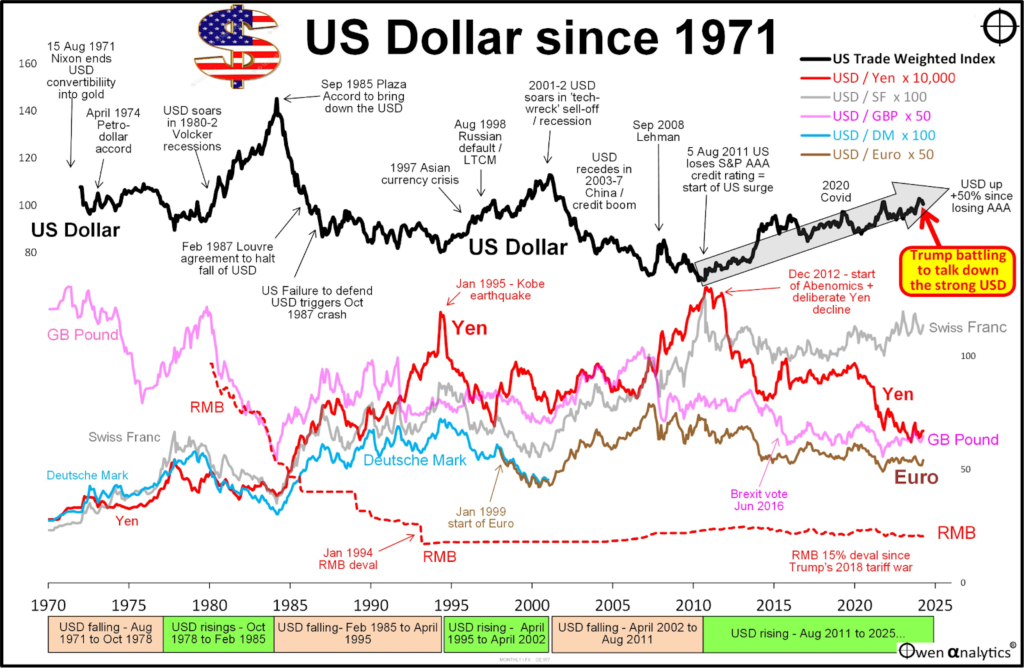
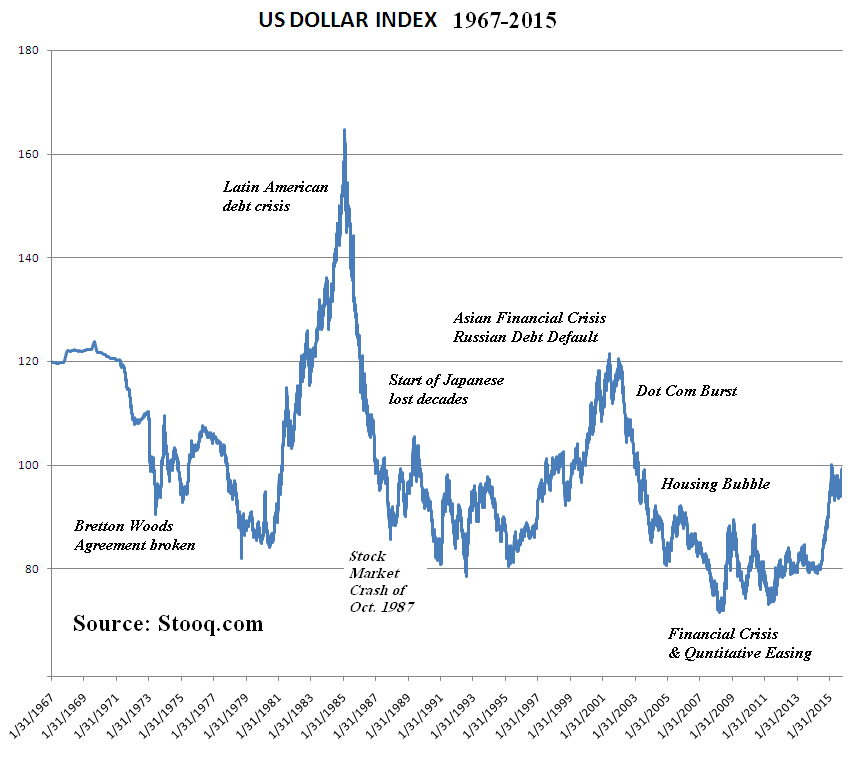
- The dollar index remains elevated
- Global trade still relies heavily on dollars
- U.S. Treasury bonds remain in demand
- Capital flows into U.S. assets during crises
These facts are not wrong—but they are incomplete.
A Real-World Analogy
Imagine a bridge that still holds traffic but has internal corrosion. Engineers warn of structural weakness, yet commuters see cars passing daily and assume safety.
That’s how currency risk works.
Hidden Signal #1: America’s Debt Has Crossed a Dangerous Threshold
U.S. government debt has surged past $34 trillion, growing faster than economic output.
Debt itself isn’t the issue. Financing the debt is.
To sustain this level, policymakers rely on:
- Chronic deficit spending
- Monetary expansion
- Low real interest rates
This strategy effectively transfers wealth from savers to borrowers through inflation.
How This Hits Real Families
A couple saves diligently for retirement. Their bank account grows slowly, earning modest interest. Meanwhile, inflation quietly reduces what that money can buy.
No crisis. No headlines. Just loss.
Hidden Signal #2: The Dollar’s Purchasing Power Has Been Destroyed Over Time
Since the early 1970s, the dollar has lost over 85% of its purchasing power.
This is not opinion—it’s arithmetic.
Everyday Examples Americans Understand Instantly
- A movie ticket that once cost $1 now costs $15+
- College tuition that once required summer savings now requires decades of debt
- Homes that cost $40,000 now cost $400,000+
This didn’t happen by accident. It happened by design.
Hidden Signal #3: Foreign Governments Are Quietly Reducing Dollar Exposure
Contrary to popular belief, the world is not “abandoning” the dollar—but it is diversifying away from exclusive dependence.
Central banks are:
- Increasing gold reserves
- Settling trade in local currencies
- Reducing the dollar’s share of reserves
This is not political rebellion. It’s financial prudence.
Why This Matters
The dollar’s strength depends on global demand. Reduced demand means:
- Higher borrowing costs
- Greater pressure on domestic savers
- Increased temptation to inflate debt away
Hidden Signal #4: Wall Street Benefits From a Weakening Dollar
A declining dollar is bad for savers—but great for markets.
It:
- Inflates asset prices
- Makes corporate profits appear stronger
- Boosts stock valuations
- Encourages speculative investment
Wall Street doesn’t fear inflation—it monetizes it.
Why Mainstream Media Rarely Talks About Dollar Risk Honestly
Currency weakness challenges comforting narratives:
- Political stability
- Fiscal responsibility
- Economic strength
Instead, inflation is framed as “temporary,” “manageable,” or “normal.” These words delay panic—but also delay preparation.
What Americans Are Actively Searching For Right Now
Is the U.S. Dollar Going to Collapse?
A sudden collapse is unlikely. A long, grinding decline is far more probable—and more dangerous.
Why Does My Money Buy Less Every Year?
Because inflation compounds silently, and wages rarely keep pace.
Is the Dollar Losing Reserve Currency Status?
Not overnight—but its dominance is no longer absolute.
Hidden Signal #5: Rising Interest Costs Are Becoming Unsustainable
As interest rates rise, so do debt servicing costs.
Soon, policymakers must choose between:
- Spending cuts
- Higher taxes
- Monetary debasement
History suggests the third option is the most politically convenient.
Hidden Signal #6: Asset Inflation Is Masking Currency Damage
Stock markets at record highs create a false sense of prosperity.
But when assets rise because currency weakens, wealth becomes relative, not real.
Example
If your house doubles in price but food triples, you didn’t get richer—you just survived inflation.
Hidden Signal #7: The Middle Class Is Being Hollowed Out
Currency erosion hits hardest where wages dominate income.
- Asset owners benefit
- Debtors adjust
- Savers and workers fall behind
This growing divide is a hallmark of currency stress.
What a Dollar Disaster Would Actually Look Like
Not chaos. Not hyperinflation overnight.
More likely:
- Permanent high costs
- Reduced social mobility
- Increased debt dependence
- Lower real living standards
It’s a slow squeeze, not an explosion.
How Americans Can Prepare Without Panic
You don’t need fear. You need awareness.
Smart, Practical Steps
- Diversify assets beyond pure cash
- Focus on income resilience
- Reduce unnecessary debt
- Understand real (inflation-adjusted) returns
What to Avoid
- Doomsday speculation
- Emotional investing
- Overconfidence in cash alone
Why the Dollar’s Strength Is Also Its Weakness
Because the dollar is trusted, policymakers can push limits longer. But trust erodes quietly—and when it cracks, recovery is difficult.
The Truth Wall Street Rarely Admits
The dollar isn’t collapsing—it’s transforming.
And transformation quietly redistributes wealth.
Those who recognize it early adapt. Those who ignore it feel blindsided later.
Final Verdict: Is a Dollar Disaster Already Underway?
If disaster means sudden collapse—no.
If disaster means slow loss of purchasing power, rising inequality, and permanent cost pressure—yes, it’s already happening.
The greatest danger is not fear. It’s denial.
Frequently Asked Questions (10 Trending FAQs)
1. Is the U.S. dollar in danger?
Not of immediate collapse, but of long-term erosion.
2. Why does inflation hurt savers most?
Because cash loses value when interest lags inflation.
3. Are other countries dumping the dollar?
They’re diversifying, not abandoning.
4. Should Americans stop holding dollars?
No—but overconcentration carries risk.
5. Does national debt weaken the dollar?
Yes, especially when financed through monetary expansion.
6. Is gold protection against dollar decline?
Historically, it has served as a partial hedge.
7. Why doesn’t Wall Street warn people?
Because asset inflation benefits markets.
8. Is this similar to past currency declines?
Yes—gradual erosion is historically common.
9. Will wages eventually catch up?
Sometimes, but often too late.
10. What’s the smartest response?
Diversification, patience, and financial literacy.