
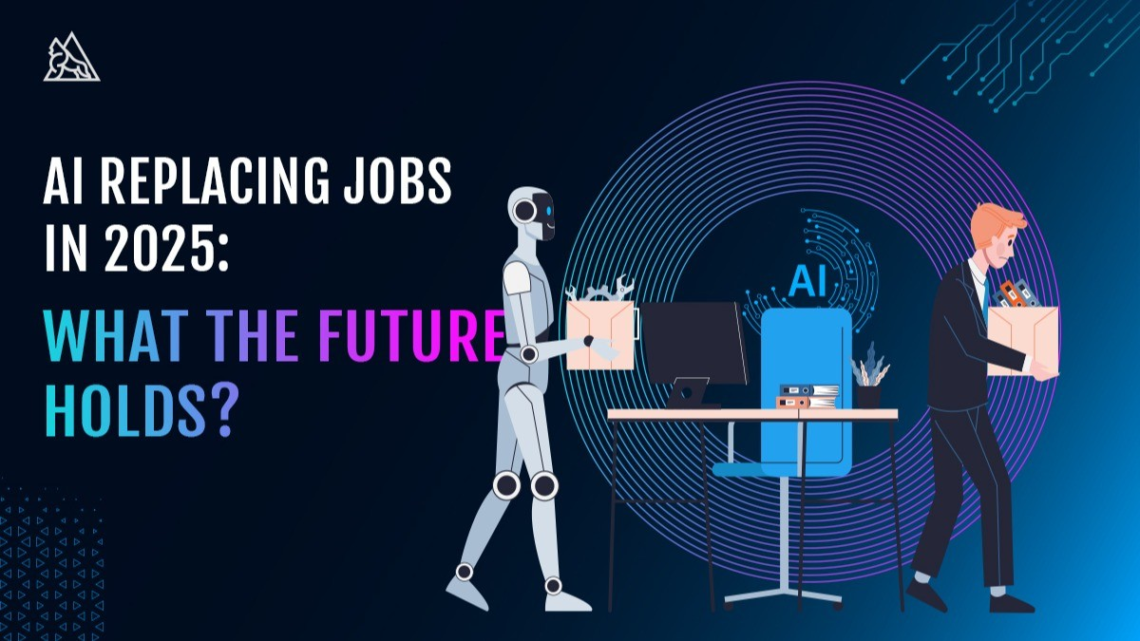
Artificial intelligence is transforming the American workforce at unprecedented speed—automating routine jobs while unlocking powerful new income opportunities. This in-depth guide explains how AI is changing careers, which jobs are at risk, how people are already earning more with AI, and what practical steps workers can take to protect their income and thrive in the AI-driven economy.
Introduction: Why AI Feels Like a Threat—and an Opportunity—at the Same Time
Artificial intelligence has become one of the most emotionally charged topics in modern work culture. For millions of Americans, AI represents uncertainty, job insecurity, and a sense that machines are quietly preparing to replace human effort. Headlines warning of mass layoffs, automated offices, and disappearing careers have fueled fear across industries—from corporate offices and retail floors to trucking routes and creative studios.
But beneath the surface panic lies a very different reality. While AI is undeniably disrupting traditional job structures, it is also quietly creating new forms of income, increasing productivity, and shifting power toward individuals who know how to adapt.
This is the part of the AI story few people talk about: the same technology that threatens certain jobs is helping others earn more, work less, and build long-term financial resilience.
Understanding this dual reality is essential—not just for surviving the AI era, but for thriving in it.
How Big Is the AI Job Disruption—Really?
The scale of AI’s impact is often exaggerated or oversimplified. According to research from McKinsey Global Institute, nearly 30% of current U.S. work hours could be automated by 2030, particularly in roles involving predictable, repetitive tasks. At the same time, the World Economic Forum estimates that AI will create more jobs than it eliminates, with tens of millions of new roles emerging globally.
This contradiction confuses many people. How can AI destroy jobs and create jobs at the same time?
The answer lies in job transformation, not job extinction.
AI doesn’t usually replace entire professions. Instead, it replaces specific tasks within jobs—often the least fulfilling, lowest-value parts of the workday.

What AI Is Actually Good At (And Why That Matters)
AI excels at tasks that are:
- Repetitive and rule-based
- Data-heavy and pattern-driven
- Time-consuming but low in judgment
- Easily standardized
AI struggles with tasks that require:
- Emotional intelligence
- Ethical reasoning
- Creativity with real-world context
- Human trust and relationship-building
This distinction explains why some roles feel threatened while others are becoming more valuable.
Which Jobs Are Most Vulnerable to AI Automation?
Certain categories of work face higher exposure due to their routine nature.
Roles Facing the Most AI Pressure
- Administrative and clerical jobs
- Basic data entry and bookkeeping
- Entry-level customer service
- Routine content writing
- Simple graphic and design tasks
However, even in these roles, AI rarely replaces humans outright. Instead, it compresses the workforce by allowing fewer people to do more work—faster.
For example, an accounting firm may reduce junior staff but increase demand for senior advisors who interpret financial strategy and guide decision-making.
Is AI Really “Stealing” Jobs—or Just Changing Them?
One of the most common search queries is:
“Is AI taking jobs away from humans?”
The more accurate answer is this: AI is changing what employers value faster than most people can adapt.
Consider a real-world scenario. A marketing professional who once spent hours writing emails and reports now uses AI tools to automate drafts. Instead of losing their job, they become more valuable—because they now focus on strategy, creativity, and leadership.
AI didn’t replace them. It upgraded them.
The Hidden Side of AI: How It’s Boosting Incomes
This is where the conversation often stops—but where it should begin.
AI is helping many people earn more money, often without switching careers.
According to PwC, artificial intelligence could add over $15 trillion to the global economy by 2030. That value doesn’t flow only to corporations—it also reaches individuals who leverage AI effectively.
How AI Is Quietly Increasing Earnings
- Freelancers complete projects faster and take on more clients
- Employees improve productivity and earn promotions
- Small business owners reduce costs and increase margins
- Side hustlers build scalable digital income streams
In many cases, AI functions like a silent income multiplier.
The Rise of the AI-Augmented Worker
A new category of professional is emerging: the AI-augmented worker.
This isn’t a software engineer or data scientist. It’s a regular employee who uses AI tools to enhance output and decision-making.
Examples of AI-Augmented Professionals
- Sales reps using AI for lead research and personalized outreach
- Lawyers using AI for document review and case preparation
- Teachers using AI to design lesson plans and assessments
- Recruiters using AI to screen resumes and schedule interviews
These professionals don’t work harder—they work smarter.
How Americans Are Using AI to Create New Income Streams
A rapidly growing number of searches ask:
“How can I make money with AI?”
Real-world answers include:
- Launching AI-assisted content websites
- Running faceless YouTube channels
- Creating newsletters powered by AI research
- Offering AI-enhanced freelancing services
- Selling digital products created with AI tools
What makes this era unique is accessibility. You don’t need technical expertise or venture capital. Many tools are affordable, intuitive, and designed for beginners.
Why AI Rewards Adaptability More Than Degrees
One of the biggest misconceptions is that only highly educated workers benefit from AI.
In reality, AI rewards:
- Curiosity
- Willingness to experiment
- Speed of learning
- Openness to change
A plumber using AI marketing tools can outperform competitors. A real estate agent using AI for listings gains an edge. A teacher using AI saves hours weekly.
The winners aren’t the smartest—they’re the most adaptable.
The Real Skill Gap No One Is Talking About
The biggest risk isn’t AI replacing workers—it’s workers refusing to adapt.
IBM reports that employees who use AI tools effectively can become up to 40% more productive, yet many companies fail to train their workforce properly.
This creates a widening gap:
- AI-literate workers gain leverage
- AI-resistant workers lose relevance
How to Protect Your Career in an AI-Driven Economy
Instead of fearing AI, think of it as career insurance.
Practical, Realistic Steps
- Learn one AI tool relevant to your job
- Use AI to eliminate low-value tasks
- Focus on communication, judgment, and creativity
- Track productivity gains and share them with managers
- Position yourself as AI-fluent, not replaceable
You don’t need to quit your job or return to school to stay relevant.
Can AI Improve Work-Life Balance?
Ironically, AI can reduce burnout when used intentionally.
By automating emails, scheduling, research, and reporting, many professionals reclaim hours every week. Some choose to earn more. Others choose better balance.
Both are valid—and both are enabled by AI.
The Emotional Reality of AI Anxiety
Fear around AI isn’t irrational. Work is tied to identity, security, and dignity. Any technology that threatens that foundation feels personal.
But history shows that technological shifts—from electricity to the internet—ultimately created more opportunity than loss for those who adapted early.
AI is no different.
What the Future of Work Likely Looks Like
Experts broadly agree on several trends:
- Human-AI collaboration becomes standard
- Job titles change faster than job skills
- Continuous learning becomes essential
- Income becomes less tied to hours worked
- Creativity and trust grow in value
The future belongs to those who partner with machines rather than compete against them.
Frequently Asked Questions (Trending Searches)
1. Will AI replace most jobs in the next decade?
AI will automate tasks, not eliminate most jobs entirely. Roles will evolve rather than disappear.
2. Which careers are safest from AI?
Jobs requiring emotional intelligence, creativity, ethics, and human trust remain resilient.
3. Can AI really help me earn more money?
Yes. Many workers report higher productivity, promotions, and new income streams.
4. Do I need coding skills to use AI?
No. Most modern AI tools are designed for non-technical users.
5. Is AI bad for the middle class?
AI can widen inequality—but it can also empower the middle class with the right skills.
6. What skills should I focus on?
AI literacy, communication, creativity, adaptability, and critical thinking.
7. How fast is AI adoption happening?
Faster than any previous technology, according to McKinsey and MIT research.
8. Can AI replace creative jobs?
AI assists creativity but still relies on human judgment and originality.
9. How do I start using AI at work?
Begin with one task—writing, planning, or research—and expand gradually.
10. Should I be afraid of AI?
Concern is natural, but informed adaptation is far more powerful than fear.
Final Thoughts: AI Won’t Decide Your Future—Your Response Will
AI is not a villain or a savior. It is a multiplier.
Ignore it, and your job becomes fragile.
Embrace it, and your earning potential expands.
The untold story of AI isn’t about machines stealing livelihoods. It’s about people who learn to adapt—quietly building more security, freedom, and opportunity than ever before.