

As 2026 approaches, five high-velocity markets—from cryptocurrency to real estate to AI infrastructure—are poised for explosive growth that many mainstream investors still overlook. This article uncovers which markets are on the brink, why they’re set to surge, who stands to gain (and lose), and how you can position your money wisely ahead of the boom.
What Does “Exploding Market” Mean in 2026?
When we say a market is “about to explode,” we refer to rapid asset-price appreciation, substantial capital inflows, structural transformation, and meaningful opportunities for early movers. In 2026, this means looking beyond traditional stocks and bonds to sectors shaped by:
- Institutional adoption
- Regulatory shifts
- Underrated demand
- Technological disruption
Below, we break down the five markets poised to explode in 2026.
1. Cryptocurrencies & Digital Assets
Why Crypto May Explode in 2026
The crypto space is often dismissed as volatile or speculative—but institutional adoption is now accelerating. Analysts forecast major cryptocurrencies hitting new price milestones by 2026. Companies are increasingly using digital assets in their treasury strategies, increasing liquidity and market depth.
Real-life example: A mid-sized public company converted part of its cash balance sheet into Bitcoin, expecting both an inflation hedge and upside potential. As more firms do the same, demand and pricing could surge dramatically.
Key drivers:
- Regulatory clarity (e.g., Bitcoin ETFs)
- Corporate treasury interest
- Global inflation hedging
Potential winners:
- Blue-chip cryptos like Bitcoin and Ethereum
- Tokenized real-world assets
- Layer-2 infrastructure projects
Takeaway: 2026 may offer one of the last “cheapish” entry points before deep institutional saturation.
Pointers:
- Allocate modestly (1–5% of portfolio) to assets you understand
- Prioritize infrastructure tokens over hype-driven coins
- Use secure custody solutions and follow regulatory guidance
2. Real Estate (Including Alternative Segments)
Why Real Estate May Explode in 2026
Despite interest rate concerns, real estate is entering a phase of structural opportunity. Reports highlight niche property types—data centers, self-storage, life-sciences labs, and multifamily housing—as prime targets.
Real-life example: A U.S. coastal city experienced a 15% year-over-year jump in rental rates due to remote-worker migration. Investors who acquired properties in 2023–24 are positioned for 2026 gains.
Why now: Interest-rate cuts, supply-chain shifts, and logistics booms align to push values upward.
Potential winners:
- Single-family rentals in Sun Belt cities
- Data centers near fiber hubs
- Self-storage in metro outskirts
Takeaway: Real estate isn’t just residential—it’s about assets tied to megatrends.
Pointers:
- Focus on sub-sectors with structural tailwinds
- Research location, regulations, and tax incentives
- Use leverage cautiously, even if rates drop
3. AI / Data-Center Infrastructure
Why AI Infrastructure May Explode
AI is growing faster than software alone. Major tech companies will spend hundreds of billions on data centers to support generative AI by 2026.
Real-life example: A former crypto-mining data center operator pivoted to GPU-farm deployment and secured multi-year contracts with hyperscalers. Early investors saw valuation spikes.
Why invest: GPU scarcity, edge-facility build-out, and real-estate + tech convergence.
Potential winners:
- Data-center REITs
- GPU hardware providers
- Third-party AI infrastructure operators
Takeaway: AI is hardware and facilities too; 2026 may mark the point when the infrastructure boom becomes widely visible.
Pointers:
- Identify companies/REITs with exposure to GPU/server-farm facilities
- Evaluate power costs, cooling, and location
- Manage risk; stranded assets are possible if compute demand shifts
4. Renewable Energy & Carbon Capture Projects
Why Renewables May Explode
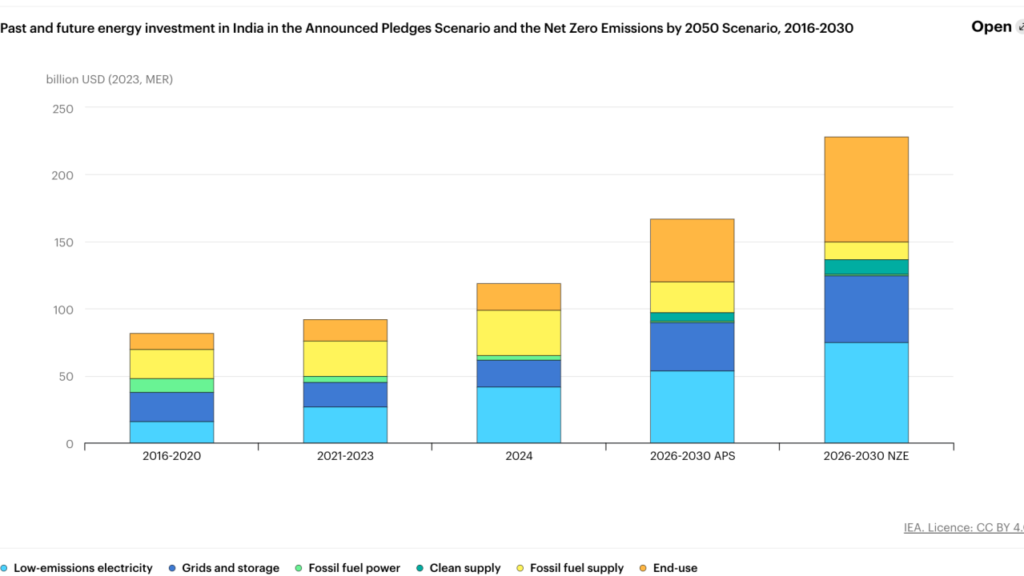
Energy transformation is accelerating due to government mandates and corporate ESG commitments. This segment offers steady but strong upside heading into 2026.
Example: A Gulf Coast wind farm that received long-term contracts in 2024 expects full production and tax-equity returns by 2026.
Why now: Tax credits, infrastructure bills, ESG mandates, and energy security concerns.
Potential winners:
- Offshore wind projects
- Hydrogen production hubs
- Carbon-capture storage technologies
Takeaway: For conservative growth beyond stocks/bonds, renewable energy may offer reliable upside.
Pointers:
- Focus on projects with government contracts/subsidies
- Evaluate regulatory risk and cap-ex requirements
- Consider ETFs or infrastructure funds if direct investment is inaccessible
5. Emerging Markets / Frontier Economies
Why Emerging Markets May Explode
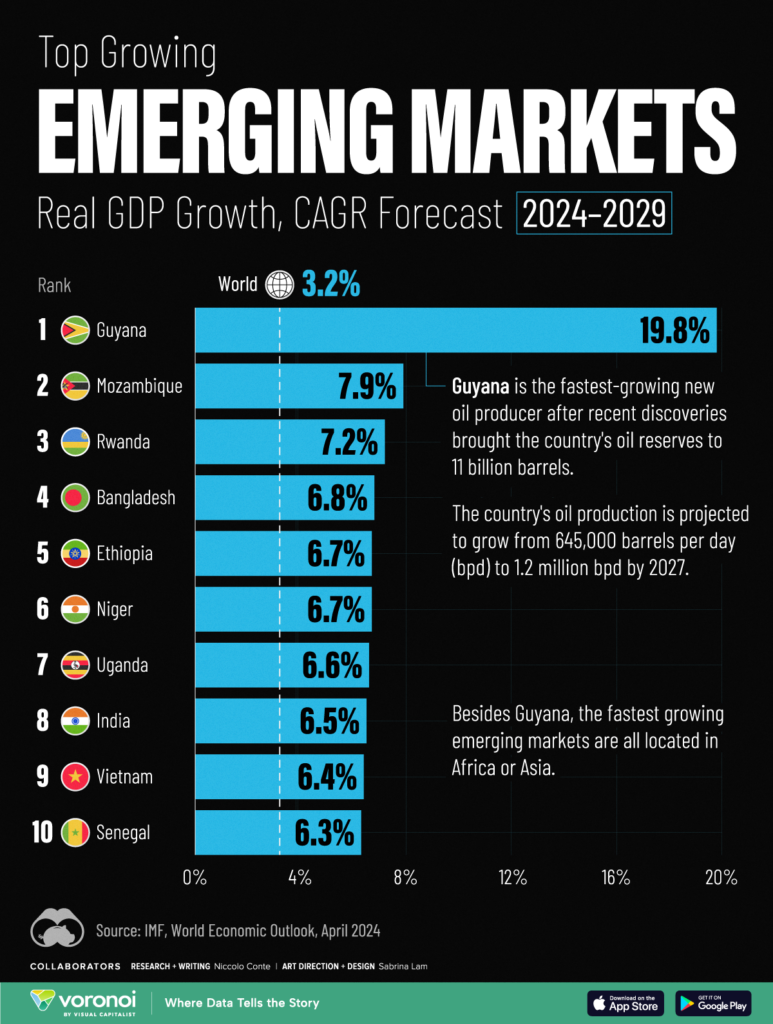
Certain frontier economies are primed for inflows driven by infrastructure, digital finance, urbanization, and commodity cycles.
Example: A Southeast Asian digital-payments start-up expanded rapidly due to 70% mobile-wallet penetration; by 2026, it may IPO.
Why now: Capital is hunting yield; emerging markets offer discounted valuations and rapid growth potential.
Potential winners:
- Emerging-market fintech
- Off-grid energy solutions
- Urban logistics platforms
Takeaway: High risk but high reward; focus on structural growth over cyclical spikes.
Pointers:
- Diversify across countries/sectors
- Use both equity and debt instruments
- Monitor currency, political, and liquidity risks
Trending FAQs
- Which markets are expected to explode in 2026?
Crypto, niche real estate, AI infrastructure, renewables, and emerging markets. - Is crypto the top bet for 2026?
It offers high upside but also high risk; diversify carefully. - Which real-estate sub-sectors offer the biggest growth?
Data centers, self-storage, life-sciences labs, and student/senior housing. - How will interest rates impact real estate in 2026?
Potential rate cuts could boost housing demand and valuations. - What drives AI infrastructure returns?
Massive capital commitments, GPU scarcity, and server-farm expansion. - How do emerging markets fit into a growth thesis?
They benefit from infrastructure, tech adoption, and demographics. - What’s a safe way to enter renewable energy?
Invest via ETFs or funds in operational projects with off-take contracts. - Should I allocate equally across all five markets?
Allocation should match your risk tolerance, timeline, and portfolio strategy. - What are the major risks?
Regulatory shifts, macro downturns, asset bubbles, and infrastructure delays. - How can I stay ahead and monitor these markets?
Follow sector-specific reports, track capital flows, and review portfolios quarterly.
Final Takeaways
- Opportunity is ripe: 2026 is a chance to diversify beyond stock/bond orthodoxy.
- Focus on structural growth: Markets are driven by real transformations, not just cycles.
- Manage risk: High-growth sectors carry volatility.
- Build a balanced strategy: Mix accessible options (real estate, renewable funds) with optionality (crypto, frontier markets).
- Stay flexible: Monitor trends and adjust allocations as conditions change.
–xxx–
Video link – https://www.youtube.com/watch?v=v9-cKAbbXZ8

